• Skip to primary navigation
  • Skip to main content
  • Skip to primary sidebar

Galaxy S9 Guides

a community for owners of Samsung Galaxy S9 and S9+

  • Home
    • About Galaxy S9 Guides
    • Contact Us
  • How-to Guides
    • Galaxy S9 Android Pie update guides
      • Official user manuals for Galaxy S9 and S9 Plus with Android Pie update
      • Top 9 new features of Android Pie update for Galaxy S9 and S9+
      • How to use the new navigation gestures in Android Pie update for Galaxy S9 and S9+?
      • How to use the lockdown mode on Galaxy S9 and S9+ with Android Pie update?
      • How to use the night mode on Galaxy S9 and S9+ with Android Pie update?
      • How to remap Bixby button on Galaxy S9 and S9+ after updating to Android Pie?
      • How to use Bixby quick commands on Galaxy S9, S9+, S8, S8+, Note 8, and Note 9 with the Android Pie update?
      • How to update Galaxy S9 or S9 Plus to Android Pie (Android 9)?
      • How to use the lift to wake feature on Galaxy S9 and S9+ with Android Pie update?
      • How to use the new Recents screen in Android Pie update for Galaxy S9 and S9 Plus?
      • How to use the floating keyboard on Galaxy S9 and S9+ with Android Pie update?
      • How to lock Galaxy S9 home screen layout on Galaxy S9 and S9+ with Android Pie update?
      • How to use the rotation toggle to change and lock screen orientation in Android Pie update for Galaxy S9 and S9 Plus?
      • How to use the updated camera app in Android Pie update for Galaxy S9 and S9 Plus?
    • Meaning of Galaxy S9 status icons and notification icons in Samsung Galaxy S9 and S9+
      • How to use Samsung DeX with Galaxy S9 and S9+ and other Samsung phones?
      • How to use Multi Window on Galaxy S9 and S9+?
      • How to use app pair on Galaxy S9 and S9+?
      • Samsung DeX Station vs Samsung DeX Pad vs Samsung DeX cable
      • How to use Samsung DeX Station for Galaxy S9, S9+, S8, S8+, Note 8 and Note 9?
      • How to use Samsung DeX Pad for Galaxy S9, S9+, S8, S8+, Note 8 and Note 9?
      • How to use a USB flash drive on Galaxy S9 and S9+?
    • How to charge Galaxy S9 battery?
    • Galaxy S9 SIM card guide
      • How to use two SIM cards on Galaxy S9, S10, and S20?
      • How to use Galaxy S9 dual messenger to run two accounts of messenger apps simultaneously on Galaxy S9 and S9+?
      • How to use micro SD card on Galaxy S9 and S9+?
      • How to back up Galaxy S9 and S9+?
      • How to use smart switch to transfer and migrate data to Galaxy S9 or S9+?
      • How to reset Galaxy S9 and S9+? What is Galaxy S9 factory data reset?
    • How to disable Bixby button in Galaxy S9 and S9+?
      • How to remove Bixby Home from Galaxy S9 Home screen?
    • Understand and Use Galaxy S9 Home screen
      • How to use Galaxy S9 edge screen on Galaxy S9 and S9+?
      • How to show photos on Galaxy S9 Home screen?
      • How to pin files to Galaxy S9 Home screen (add file shortcuts to Galaxy S9 Home screen)?
      • How to use Galaxy S9 Apps screen on Galaxy S9 and S9+?
      • How to use Galaxy S9 Home screen edit mode to customize Galaxy S9 Home screen?
      • How to use Galaxy S9 home screen landscape mode?
      • How to hide Galaxy S9 apps screen and how to hide Galaxy Apps button?
      • How to use and customize Galaxy S9 navigation bar and navigation buttons?
      • How to manage Galaxy S9 Home screen panels on Galaxy S9 and S9+?
    • How to use and customize Galaxy S9 lock screen?
      • How to use Galaxy S9 always-on display (AOD) on Galaxy S9 and S9+?
    • How to use Galaxy S9 notification panel on Galaxy S9 and S9+?
      • How to use Do Not Disturb on Galaxy S9 and S9+?
      • Understand and use Galaxy S9 notification number badge (notification dots, app icon badge)
      • How to use quick setting buttons on Galaxy S9 and S9+?
      • How to use quick-open notification panel on Galaxy S9 and S9+ to check notifications?
    • Galaxy S9 layout (and layout of Galaxy S9+)
      • How to use adapt sound on Galaxy S9 and S9+?
      • 5 ways to take screenshots on Galaxy S9 and S9+ without using any apps
      • How to use Galaxy S9 touchscreen gestures?
      • How to use wireless printing on Galaxy S9 and S9+?
      • How to use Galaxy S9 themes to customize the look and feel of Galaxy S9 and S9+?
      • Unbox Galaxy S9: understand package contents in Galaxy S9 box and S9+ box
    • How to reboot into Galaxy S9 recovery mode and to clear Galaxy S9 cache partition on Galaxy S9 and S9+?
      • How to reboot Galaxy S9 and S9+ if Galaxy S9 hangs?
      • How to use Galaxy S9 safe mode on Galaxy S9 and S9+?
    • How to use Galaxy S9 camera app?
      • 6 ways to start Galaxy S9 camera app in Galaxy S9 and S9+
      • Understanding and use Galaxy S9 camera settings
      • How to use super slow motion mode (super Slow-mo) on Galaxy S9 and S9+?
      • How to use Galaxy S9 camera Pro Mode on Galaxy S9 and S9+?
  • New features
    • Top 9 new features of Android Pie update for Galaxy S9 and S9+
      • How to use the lockdown mode on Galaxy S9 and S9+ with Android Pie update?
      • How to use the new navigation gestures in Android Pie update for Galaxy S9 and S9+?
      • How to use the night mode on Galaxy S9 and S9+ with Android Pie update?
      • How to remap Bixby button on Galaxy S9 and S9+ after updating to Android Pie?
      • How to update Galaxy S9 or S9 Plus to Android Pie (Android 9)?
      • How to use the lift to wake feature on Galaxy S9 and S9+ with Android Pie update?
      • How to use the new Recents screen in Android Pie update for Galaxy S9 and S9 Plus?
      • How to use the floating keyboard on Galaxy S9 and S9+ with Android Pie update?
      • How to lock Galaxy S9 home screen layout on Galaxy S9 and S9+ with Android Pie update?
      • How to use the rotation toggle to change and lock screen orientation in Android Pie update for Galaxy S9 and S9 Plus?
      • How to use the updated camera app in Android Pie update for Galaxy S9 and S9 Plus?
      • How to use Bixby quick commands on Galaxy S9, S9+, S8, S8+, Note 8, and Note 9 with the Android Pie update?
    • Top 10 new features of Samsung Galaxy S9 and Galaxy S9+
    • How to remove Bixby Home from Galaxy S9 Home screen?
    • How to use and customize Galaxy S9 navigation bar and navigation buttons?
    • How to use super slow motion mode (super Slow-mo) on Galaxy S9 and S9+?
    • Understand and use Galaxy S9 notification number badge (notification dots, app icon badge)
    • How to use Samsung DeX Pad for Galaxy S9, S9+, S8, S8+, Note 8 and Note 9?
    • How to use Galaxy S9 home screen landscape mode?
    • Understanding and use Galaxy S9 camera settings
    • How to use dual aperture to manually switch Galaxy S9 camera aperture in Pro mode?
    • Galaxy S9 layout (and layout of Galaxy S9+)
    • How to use app pair on Galaxy S9 and S9+?
  • Camera
    • How to use Galaxy S9 camera app?
    • How to use the updated camera app in Android Pie update for Galaxy S9 and S9 Plus?
    • Understanding and use Galaxy S9 camera settings
    • 6 ways to start Galaxy S9 camera app in Galaxy S9 and S9+
    • How to use dual aperture to manually switch Galaxy S9 camera aperture in Pro mode?
    • How to use super slow motion mode (super Slow-mo) on Galaxy S9 and S9+?
    • How to use Galaxy S9 camera Pro Mode on Galaxy S9 and S9+?
    • How to show photos on Galaxy S9 Home screen?
  • Official User Guides
    • Official user manuals for Galaxy S9 and S9 Plus with Android Pie update
    • Official Samsung Galaxy S9 user guides (Oreo)
  • Accessories
    • How to use Samsung Galaxy S9 clear view standing cover (S-view cover)?
    • Samsung Galaxy S9 LED wallet cover guide
    • How to use micro SD card on Galaxy S9 and S9+?
    • How to use Samsung DeX with Galaxy S9 and S9+ and other Samsung phones?
      • Samsung DeX Station vs Samsung DeX Pad vs Samsung DeX cable
      • How to use Samsung DeX Station for Galaxy S9, S9+, S8, S8+, Note 8 and Note 9?
      • How to use Samsung DeX Pad for Galaxy S9, S9+, S8, S8+, Note 8 and Note 9?
      • How to use a USB flash drive on Galaxy S9 and S9+?

Galaxy S9 apps screen

How to use the night mode on Galaxy S9 and S9+ with Android Pie update?

simon · 2 Comments

use the night mode on Galaxy S9 and S9+ with Android Pie updateIn Android Pie update for Galaxy S9 and S9+, you can use the night mode on Galaxy S9 and S9+ to get the dark (black) theme at any time (not only in the night).

The night mode on Galaxy S9 and S9+ with Android Pie update is the combination of the dark theme and night mode. In the stock Android Pie, the settings of dark theme and night mode are independent of each other.

This Galaxy S9 Android Pie update guide explains the details of the night mode on Galaxy S9 and S9+ with Android Pie update, and how to use the night mode so that you can enjoy the phone in all situations.

What is the night mode on Galaxy S9 and S9+ with Android Pie update?

In Android Nougat update, Samsung introduced the blue light filter to tint the screen so that you can use the screen comfortably for a long time (e.g., for reading), or in a dimmed environment.

Many owners also hate the default white theme, which looks great in the showroom. For day-to-day use, many owners preferred a dark theme.

Of course, you can use third-party themes to customize the Galaxy S9 home screen and Samsung apps. But most of the dark themes in the Galaxy Apps (theme store) are poorly designed.

In Android Pie, Google introduced a dark theme. But it does not apply to Settings or to most Google apps.

Besides, Android Pie also introduced the night mode in developer options. But it is independent of the theme settings if dark them is used already. You may refer to this guide on how to use the dark theme and night mode in stock Android Pie.

In the Android Pie update for Galaxy S9 and S9+, Samsung added the night mode as an alternative to the default light theme.

The night mode on Galaxy S9 and S9+ with Android Pie update lets you:

  • Set the display to the dark (black) theme.
  • Apply the dark theme to Galaxy S9 Home screen, Apps screen, Settings, quick settings, notifications panel, power button options, Bixby home, most Samsung apps include Phone, Messages, Contacts, Camera, Gallery, Clock, Calendar, Calculator, Samsung Notes, Email, My Files, Internet, Bixby, Finder.
  • Instantly turn on/off night mode in quick settings.
  • Instantly change the night mode settings in the developer options as “always-on”
… Read the rest

Filed Under: Galaxy S9 Guides, Galaxy S9 New Features Tagged With: Android Pie, Android Pie update guide, Bixby Home, blue light filter, dark theme, developer options, Galaxy apps, Galaxy S9 apps screen, Galaxy S9 home screen, Galaxy S9 notification panel, Galaxy S9 settings, Galaxy S9 themes, Gallery app, My Files, navigation gestures, night mode, power button options, quick setting buttons

How to use the lockdown mode on Galaxy S9 and S9+ with Android Pie update?

Everything you need to know about Android Pie lockdown mode on Galaxy S9 and S9+

simon · Leave a Comment

Everything you need to know about Android Pie lockdown mode on Galaxy S9 and S9+ You can use Android Pie lockdown mode on Galaxy S9 and S9+ with Android Pie (Android 9) update to temporally disable biometric unlock and smart lock. PIN or password will be required to unlock the phones.

The lockdown mode is a standard security feature in Android Pie (Android 9).  Luckily, Samsung did not mess up this feature in the One UI.

This Galaxy S9 Android Pie update guide explains everything you need to know about the lockdown mode on Galaxy S9 and S9+ with Android Pie update and shows you how to use it.

You may also check this updated guide on using lockdown mode on Galaxy S9, S10, S20, S21, and S22.

What is the lockdown mode on Galaxy S9 and S9+ with Android Pie update?

If enabled, Galaxy S9 and S9+ offer many ways to unlock the phone.

In addition to PIN/password/pattern, you can also unlock Galaxy S9 and S9+ using:

  • Fingerprints.
  • Iris.
  • Face.
  • Trusted devices, trusted places, trusted faces, and matched voices through the smart lock.

All these additional unlock methods are provided for your convenience.  Many Galaxy S9 and S9+ owners enjoy these fast unlock methods.

However, in some special situations, for example, someone attempts to force you to unlock the phone to get your data, you may try to disable these unlock methods temporally (and quickly), then type the wrong password/PIN a few times so that you have to wait longer and longer to try again.

When the lockdown mode is enabled, notifications will not be shown on the Galaxy S9 lock screen.

The lockdown mode is one of the new features in Android Pie.  Samsung kept the stock feature and did not mess it up this time in the Android update for Galaxy S9 and S9+, unlike what they did to the navigation gestures.

How to enable the lockdown mode on Galaxy S9 and S9+ with Android Pie update?

By default,  the lockdown mode on Galaxy S9 and S9+ with Android Pie update is not enabled.

You need to enable it in the power button options (power menu) before you can use it.

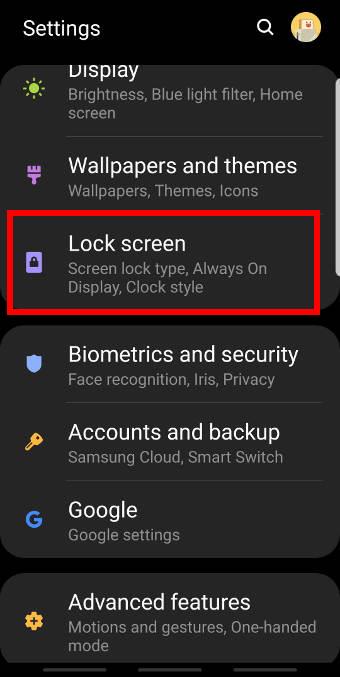
As shown in the screenshot below, tap Lock screen in Galaxy S9 Settings.

enable the lockdown mode on Galaxy S9 and S9+ with Android Pie update enable the lockdown mode on Galaxy S9 and S9+ with Android Pie update

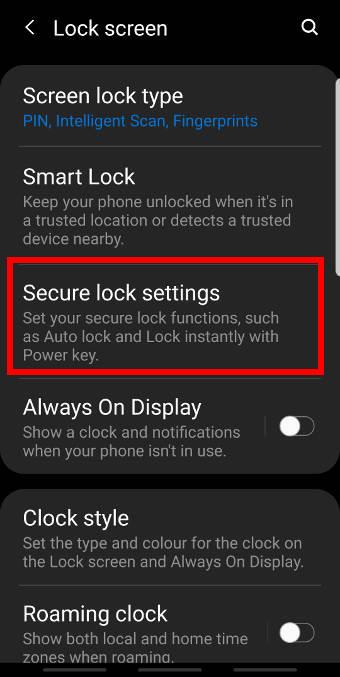
As shown above, in the lock screen settings page, tap Secure lock settings.

In the secure lock settings, as shown below, you can find the Show lockdown option.… Read the rest

Filed Under: Galaxy S9 Guides, Galaxy S9 New Features Tagged With: Android Pie, Android Pie update guide, Galaxy S9 apps screen, Galaxy S9 home screen, Galaxy S9 layout, Galaxy S9 lock screen, Galaxy S9 notifications, Galaxy S9 safe mode, Galaxy S9 touch screen gesture, lock down, lockdown mode, navigation gestures, power button, power button options, power off Galaxy S9, power on Galaxy S9, screenshot, smart lock

How to use Samsung DeX with Galaxy S9 and S9+ and other Samsung phones?

A Definitive Samsung DeX Guide

simon · Leave a Comment

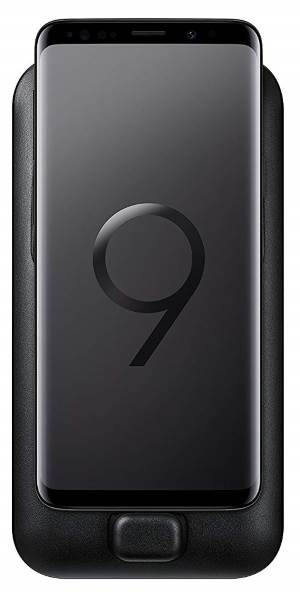
DeX pad Samsung DeX lets you turn your Galaxy S9, S9+, S10, S10+ S8, S8+, Note 8, Note 9, and Note 10  into a PC with a big screen, a full-size keyboard, and a mouse.

For Galaxy S8, S8+, S9, S9+ and Note 8, a Samsung DeX station or Dex Pad is needed to use the DeX mode.  For Galaxy Note 9 and S10, a USB-C to HDMI cable is sufficient.

This Samsung DeX guide explains the details of the Samsung DeX, shows you how to use Samsung DeX, answers questions you may have on it.

This guide applies to Samsung Galaxy S10, Galaxy S10+, Galaxy S9, Galaxy S9+, Galaxy S8, Galaxy S8+, Galaxy Note 8, Galaxy Note 9, and Galaxy Note 10, although most of the screenshots were taken from Galaxy S9.

Galaxy Note 10 added the DeX for PC. You can use the DeX screen on your PC or laptop with a USB cable. This feature is currently only available on Galaxy Note 10 and Galaxy Note 10+. Please check this guide on how to use DeX for PC.

We will update this page once DeX for PC is enabled on other Samsung devices.

Update 1:  Samsung DeX for PC is now also available on Galaxy S10 (including S10+, and S10e) after the September update as explained on this page.

What is Samsung DeX? What do you need to use Samsung DeX?

For Galaxy S and Galaxy Note phones, it is always easy to connect to external monitor or TVs using a micro USB MHL adapter (for Galaxy S or Note devices prior to Galaxy Note 7 with a micro USB port), or a USB C to HDMI cable (for Galaxy S or Note devices with a USB type C port like Galaxy S8, Galaxy S8+, Galaxy Note 8, Galaxy S9, Galaxy S9+ and Galaxy Note 9).

In addition to MHL support, Samsung also incorporated Micracast support in most in these devices. In recent versions of Galaxy S and Note devices, the Miracast support is limited to  Samsung's implementation only.

So, for Galaxy S9 and S9+, you can use at least the following three methods to mirror the phone screen to a TV or external monitor:

  • Use a USB-C to HDMI cable (like the official Samsung USBC to HDMI cable).
  • Use Miracast to cast the screen to a Samsung TV or monitor through WiFi direct.  It may not
… Read the rest

Filed Under: Galaxy S9 Guides Tagged With: app folders, Chromecast, DeX, DeX for PC, Galaxy S9 apps screen, Galaxy S9 home screen, Hancom Office, Miracast, pin files to Galaxy S9 home screen, Samsung DeX, Samsung DeX cable, Samsung DeX Labs, Samsung DeX Pad, Samsung DeX settings, Samsung DeX station, screen mirroing, USB-C, USB-C to HDMI

How to pin files to Galaxy S9 Home screen (add file shortcuts to Galaxy S9 Home screen)?

use Samsung My Files to pin files to home screen

simon · Leave a Comment

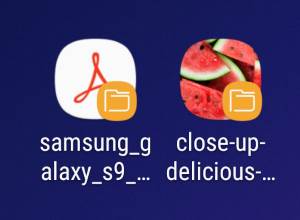
pin files to Galaxy S9 Home screen (add file shortcuts to Galaxy S9 Home screen)You can pin files to Galaxy S9 Home screen so that you can open them directly by tapping them without fiddling through apps.  For example, you can add a PDF file to the home screen and open it without opening the file explorer or storage manager.

After you add files to Galaxy S9 home screen (to be precise, you are actually adding file shortcuts to the home screen), you can use them just like using apps and widgets: open, relocate, delete them.

A file pinned on the home screen always occupies one spot (icon). This is different from adding and showing photos on Galaxy S9 Home screen as a widget, which is resizable.

This Galaxy S9 guide shows you how to pin files to Galaxy S9 Home screen, manage files added to the home screen, and how to add files to task edge in the edge screen.

When you may want to pin files to Galaxy S9 Home screen (add files to the home screen)?

Many owners who use Galaxy S9 or S9+ as a productivity tool often need to open or edit some files repeatedly.

By default, this means you have to open a file explorer (e.g., My files), navigate to the folder, find the file, tap on it to let the default app to open it.

But if you pin the file on Galaxy S9 home screen (i.e. add a shortcut of the file to Galaxy S9 Home screen), then you can tap the shortcut on the home screen to open it straight away.

If you want to show photos on Galaxy S9 Home screen, you may check this guide.

When you pin a file to the home screen, you actually add a shortcut of the file to the home screen. The file is still in the original folder and is NOT moved.  If you delete the icon in the home screen, the corresponding file will NOT be removed. But if you update the file, the file in the original folder will be updated.

Technically, the shortcut (the pinned file) in Galaxy S9 home screen is a symbolic (soft) link to the original file, not a copy of the file.

How to pin files to Galaxy S9 Home screen?

There are many third-party apps that allow you to add file shortcuts to Galaxy S9 Home screen. But you do not install any of them.

The pre-installed … Read the rest

Filed Under: Galaxy S9 Guides Tagged With: app folders, default app, Galaxy S9 apps screen, Galaxy S9 edge screen, Galaxy S9 home screen, Galaxy S9 Home screen panel, Galaxy S9 notification panel, Galaxy S9 touch screen gesture, Galaxy S9 widgets, long tap gesture, micro SD card, My Files, pin files to Galaxy S9 home screen, tasks edge, USB flash drive

How to reset Galaxy S9 and S9+? What is Galaxy S9 factory data reset?

simon · Leave a Comment

reset Galaxy S9 and S9+You may have to reset Galaxy S9 or S9+ when the phone does not work as expected.

There are 3 levels of resetting for Galaxy S9 and S9+: reset network settings, reset Galaxy S9 settings (system settings) and factory data reset (FDR) Galaxy S9 or S9+.

This Galaxy S9 guide shows you how to use these three levels of resetting for your Galaxy S9 and S9+, and explains what you should do before trying to factory data reset Galaxy S9 or S9+.

What are the three levels of resetting for Galaxy S9 and S9+?

When you consider resetting Galaxy S9 or S9+, there are three levels of resetting:

  1. Reset network settings.
  2. Reset Galaxy S9 settings.
  3. Factory data reset (FDR).

Factory data reset (FDR, level 3) would erase everything on Galaxy S9 or S9+. You will get a “new ” phone to start with. You must back up all data on Galaxy S9 or S9+ before trying the factory data reset.

But remember, factory data reset will NOT roll back system updates.

Reset Galaxy S9 settings (level 2) removes the system settings added/customized by you,  but it does not erase your files and third-party app data.

Reset network settings (level 1) only remove network (mobile, WiFi, Bluetooth) settings. Other settings and user files are untouched.  You may use this resetting level when your phone has problems to connect to connect WiFi or mobile networks.

What should you do BEFORE trying Galaxy S9 factory data reset?

If you have to factory data reset Galaxy S9 or S9+,  you must be aware that all data and settings will be erased.  All apps installed by you will be removed as well.

And there is no undo option.

Before you factory data reset (FDR) for Galaxy S9 or S9+,  you should try to finish the following 3 tasks.

  • Back up, back up and back up your Galaxy S9 or S9+.

All your data, documents,  photos, other media files and apps will be erased.

So, it is important to back up your Galaxy S9 or S9+. You can use the Samsung Cloud and Google Photos to back up Galaxy S9 or S9+ to the cloud.

If you prefer backing up to your PC, you can install Smart Switch on the PC. Then you can back up everything to your PC.

Factory data reset will not erase files on the SD card. But app data … Read the rest

Filed Under: Galaxy S9 Guides Tagged With: Android update, back up, back up Galaxy S9, back up photos, device protection, factory data reset (FDR), Galaxy S9 apps screen, Galaxy S9 home screen, Galaxy S9 lock screen, Galaxy S9 quick settings panel, Galaxy S9 recovery mode, Galaxy S9 safe mode, Galaxy S9 settings, Galaxy S9 touch screen gesture, Google account, reboot Galaxy S9, reset, reset Galaxy S9, reset Galaxy S9 network settings, reset Galaxy S9 settings, Samsung account

How to use wireless printing on Galaxy S9 and S9+?

You can directly print documents and photos on Galaxy S9, S9+, S10, and S20 wirelessly to your printer

simon · 2 Comments

How to use wireless printing on Galaxy S9 and S9+?Wireless printing has been a native feature of Android for a long time. Galaxy S9 and S9+, of course, support it.

This means if you want to print any documents or photos saved on Galaxy S9 or S9+, you can directly print then from the phone, instead of copying them to a PC to print.

Most printer manufacturers have released their own apps for their printers. These apps usually also provide wireless printing features, in addition to other features.

This Galaxy S9 guide shows you how to set up and use wireless printing with the Android build-in printing feature, as well as with the vendor's app.

You can use the same wireless printing feature on other phones including Galaxy S20, Galaxy S20+, Galaxy S2o Ultra, Galaxy S10, Galaxy S10+, Galaxy S10e, Galaxy Note 10, and Galaxy Note 10+.

What do you need to use wireless printing on Galaxy S9 and S9+?

To use wireless printing on Galaxy S9 or S9+, you need:

  1. A wireless printer.  If your printer can only use the USB connection to the PC, you have to use Google Cloud print, we will discuss it in other guides.
  2. A WiFi network which can be used by the printer and your phone (Galaxy S9 and S9+). Ethernet also works.
  3. A plugin for your printer. Almost all major printer vendors released the Android plugin in Google Play store. This guide will show you how to get it.

In this guide, we assume your Galaxy S9 or S9+ is connected to the same wireless router as the wireless printer. If not, you have to use Google cloud print, which is covered here (coming soon).

Steps of setting up wireless printing on Galaxy S9 and S9+

To print wirelessly from Galaxy S9 or S9+ to your printer, you need to install the print service for the brand of the printer you are using.

Wireless printing services (the plugin) on Android are provided by individual manufacturers. They are similar to the printer drivers on the PC. But on Android, typically, you only need to have one driver from (for) one vendor, instead of one for each printer. For example, if you have two different HP printers (both support wireless printing), you only need to install HP printer plugin once.

 Step 1: Check print services installed

On Galaxy S9 Settings—Connections, tap More connection settings… Read the rest

Filed Under: Galaxy S9 Guides Tagged With: Epson iPrint, Galaxy S9 apps screen, Galaxy S9 settings, Gallery app, network settings, printer, screenshot, wireless printing

How to use Galaxy S9 dual messenger to run two accounts of messenger apps simultaneously on Galaxy S9 and S9+?

You can simultaneously use two (or even three) accounts for WhatsApp, Facebook, WeChat, Facebook Messenger, Telegrams and other messenger apps with Galaxy S9 dual messenger feature

simon · 6 Comments

use Galaxy S9 dual messenger to run two accounts of messenger apps simultaneously on Galaxy S9 and S9+Galaxy S9 dual messenger makes it possible to have two accounts of the supported messenger apps (e.g., WhatsApp, Facebook Messenger, WeChat, Telegram, Viber…) and Facebook accounts in Galaxy S9 and S9+.

You can use these two messenger accounts simultaneously on Galaxy S9 or S9+.

Galaxy S9 dual messenger works on all Galaxy S9 and S9+ phones. It does NOT require the dual-SIM version of Galaxy S9 or S9+.

Dual messenger was first introduced in Galaxy S8. You can use the identical dual messenger feature on Galaxy S8, S8+, S9, S9+, Note 8 and Note 9.

This guide shows you how to use Galaxy S9 dual messenger to enable two accounts of messenger apps on Galaxy S9 and S9+. It also shows you how to disable individual messenger apps on Galaxy S9 dual messenger.

Why may you need to have two accounts of WhatsApp and other messenger apps in Galaxy S9 and S9+?

Many Galaxy S9 or S9+ owners may have different social profiles when they are in office, and when they are at home.

You may never want to mess up your personal WhatsApp or Facebook account with the account for work.

Some owners may want to show themselves differently in social media to buddies and to parents or teachers or supervisors.

Many Android apps support multiple profiles. For example, you can add multiple Google accounts to Galaxy S9. In Google+, you can quickly switch to different profiles.

But some apps limit one account on one device.

WhatsApp has been notoriously enforcing this policy since day 1. Facebook also requires you to sign out if you want to switch the account on the same phone.

But with more and more Galaxy S9 and S9+ owners use two SIM cards on the phone, there is a genuine need for running two messenger accounts concurrently on the phone.

Anyway, two or more WhatsApp (and other messenger apps) accounts can make your life easier by separating different aspects of your daily life.

How does Galaxy S9 dual messenger work?

Samsung initially tried to solve the work-life separation issue with the secure folder, which is a Knox-based container (like a small virtual machine, but not full Knox), in Galaxy S7 and S7 edge.

Secure folder works well in creating two spaces in one phone. But most owners do not use this feature because it is not so convenient. You … Read the rest

Filed Under: Galaxy S9 Guides Tagged With: app pair, dual messenger, dual-SIM, Galaxy S9 apps screen, Galaxy S9 edge screen, Galaxy S9 home screen, Galaxy S9 settings, Galaxy S9 touch screen gesture, Multi Window, Samsung Knox, secure folder, two SIM cards, WhatsApp

How to use Galaxy S9 themes to customize the look and feel of Galaxy S9 and S9+?

Everything you need to know about Galaxy S9 themes

simon · Leave a Comment

Everything you need to know about Galaxy S9 themesGalaxy S9 themes allow you to customise many aspects of the UI in Galaxy S9 and S9+.  It is no longer necessary to customise the colour scheme, wallpaper, icons or always-on display (AOD) screen individually.

You can find many excellent free Galaxy S9 themes in Samsung themes to meet your needs.

This Galaxy S9 guide explains everything you need to know about Galaxy S9 themes: What are they? How to get them? How to access them in Samsung themes? How to install and use them? How to manage or delete Galaxy S9 themes.

What are Galaxy S9 themes?

Galaxy S9 themes are “skins” for your Galaxy S9 and S9+.

You can use Galaxy S9 themes to customise the user interface of Galaxy S9 or S9+. The customisation usually includes:

  • Colour scheme for the UI. The default white scheme in Galaxy S9 and S9 UI can be annoying when you are using the phone in darkness.
  • Wallpapers for Galaxy S9 Home screen (including Galaxy S9 Apps screen), Galaxy S9 edge screen,  and Galaxu S9 lock screen.
  • App icon pack for pre-installed Samsung apps to replace the stock icon.
  • Font, style and background settings for Settings, Phone, Messages, Internet, Contacts, Clock, My Files and a few (about 30 to 40) other Samsung system apps.
  • Galaxy S9 always on display (AOD) themes.

Please note, Galaxy S9 themes work with the default launcher. If you are using a third-party launcher, Galaxy S9 themes unlikely will work as expected.

Besides, themes for other Galaxy phones (e.g., Galaxy S8/S8+) will NOT work on Galaxy S9/S9+.

Where to get Galaxy S9 themes?

As a security measure, you should get new themes for Galaxy S9 and S9+ ONLY from Samsung's Theme store, which is embedded in Galaxy Apps.

You probably should never get any themes from other sources.

How to access Galaxy S9 themes?

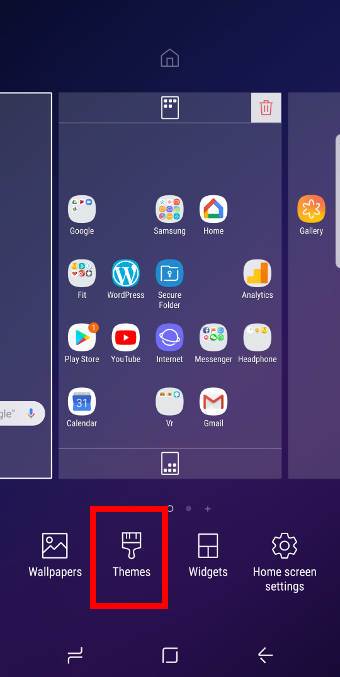
You can access Galaxy S9 themes from Galaxy S9 Home screen edit mode.

In Galaxy S9 home screen, you can enter the edit mode by:

  • Pinch gesture.
  • Long tap (tap and hold) on any blank area.

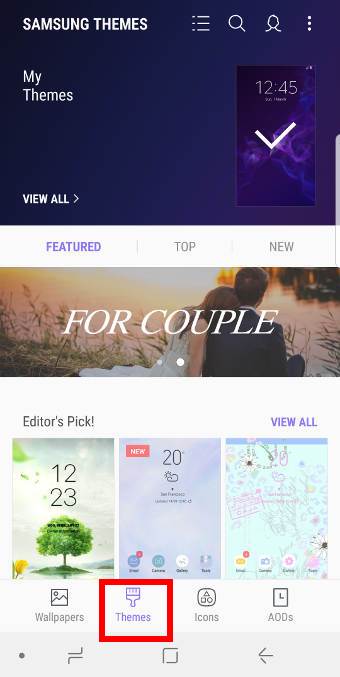
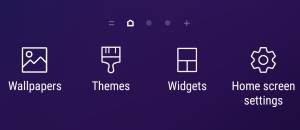
Once in the edit mode of the Galaxy S9 Home screen, as shown below,  tap Themes to access Galaxy S9 themes.

access Galaxy S9 themes access Galaxy S9 themes

In Galaxy S9 themes page, as shown in the screenshot above, tap Themes to enter themes tab.

Besides, you will get the notification about Galaxy S9 themes in the notification panel when … Read the rest

Filed Under: Galaxy S9 Guides Tagged With: Galaxy S9 always-on display (AOD), Galaxy S9 apps screen, Galaxy S9 clear view cover, Galaxy S9 clear view standing cover, Galaxy S9 home screen, galaxy S9 home screen edit mode, Galaxy S9 LED wallet cover, Galaxy S9 lock screen, Galaxy S9 notification panel, Galaxy S9 quick settings panel, Galaxy S9 themes, Galaxy S9 touch screen gesture, icon pack, quick setting buttons, Samsung themes, screenshot, wallpapers

How to use Galaxy S9 Apps screen on Galaxy S9 and S9+?

Everything you need to know about Galaxy S9 Apps screen

simon · Leave a Comment

use Galaxy S9 Apps screen on Galaxy S9 and S9+Galaxy S9 Apps screen is an integral part of Galaxy S9 and S9+. Unless you hide the apps screen, you have to work with it.

Although Galaxy S9 apps screen is just a special version home screen, there are some major differences between Galaxy S9 Home screen and Apps screen.

This Galaxy S9 guide explains what Galaxy S9 apps screen is, how to access it, how to use it and how to manage apps and app folders on it.

What is Galaxy S9 Apps screen?

Galaxy S9 Apps screen is the placeholder for all apps installed on your phone. All other Android phones also have a similar apps screen.

Sometimes, apps screen is referred to as the app drawer. In the old versions of Android, widgets were normally hosted in the apps screen as well.

Galaxy S9 Apps screen actually is a special version of Galaxy S9 Home screen.

You can find apps, hide apps, sort apps, manage apps in Galaxy S9 apps screen.

By default, all apps will be listed in the apps screen unless you hide them.

How to access Galaxy S9 Apps screen?

By default, there are a couple of different ways to access Galaxy S9 Apps screen.  These include:

  • Use the apps screen button (apps button) in the favourite apps tray of Galaxy S9 Home screen, if you did not hide apps screen button on Galaxy S9 or S9+.
  • Swipe upwards on Galaxy S9 Home screen.
  • Swipe downwards on Galaxy S9 Home screen, if you did not enable quick-open notification panel.

Of course, if you hide the Galaxy S9 Apps screen, then you are working with Galaxy S9 Home screen only, and the apps screen will not be explicitly available.

How to use  Galaxy S9 Apps screen interface?

On Galaxy S9 apps screen, if you tap on any app icons, the app will start. This is similar to that on the home screen.

If you tap and hold (long tap) an app icon without moving your fingers, you will get the context menu as shown in the following two screenshots.

For all apps, there are at least 3 options in the context menu:

  • Select items. You can then continue to select more app icons in the selection mode. You can use the selected apps to create an app folder. Or you can uninstall them in batch.
  • Add to home
… Read the rest

Filed Under: Galaxy S9 Guides Tagged With: app finder, app folders, app shortcut, apps icon grid, Galaxy S9 apps screen, Galaxy S9 home screen, galaxy S9 home screen edit mode, Galaxy S9 home screen landscape mode, Galaxy S9 settings, Galaxy S9 touch screen gesture, hide apps screen, hide Galaxy S9 apps button, landscape mode, long tap gesture, sort apps

How to manage Galaxy S9 Home screen panels on Galaxy S9 and S9+?

Add, delete, re-arrange Galaxy S9 home screen panels and assign a new home panel for Galaxy S9 Home screen

simon · Leave a Comment

manage Galaxy S9 Home screen panels on Galaxy S9 and S9+Like other Android phones, Galaxy S9 and S9+ use some Galaxy S9 home screen panels to host apps, app shortcuts, app folders and widgets.

You can add, delete, move, and re-arrange Galaxy S9 home screen panels based on your needs. You can also assign one panel as the home panel for Galaxy S9 Home screen.

This Galaxy S9 guide shows you how to work with and manage Galaxy S9 home screen panels.

What are the Galaxy S9 Home screen panels?

Galaxy S9 Home screen, by default, has at least two pages with Bixby Home (you may hide it) on the leftmost and a “home” page, which you access by tap the Home button.

These pages are usually referred to as Galaxy S9 Home screen panels.

As you may know, you can use more Galaxy S9 Home screen panels to accommodate more app icons, app folders, widgets, app shortcuts and file shortcuts on Galaxy S9 Home screen.

You can also show photos on Galaxy S9 home screen as explained in this guide.

Besides, if you hide apps screen on Galaxy S9 and S9+, more panes will be added automatically so that all apps are added to the Home screen.

How to assign a panel as the home panel for Galaxy S9 Home screen?

Among Galaxy S9 Home screen panels, one and only one panel is always the “home” panel for Galaxy S9 Home screen. When you tap the home button once or twice, you will be directed to this specific panel.

For example, you open an app from one of the home screen panels.  If you tap the home button once, you will be brought back to the panel you started the app.

If you tap the home button again, the system should bring you back to the home panel.

By default, the panel next to Bixby Home is assigned as the home panel for Galaxy S9 Home screen.

Of course, you can change the home panel and assign any of the Galaxy S9 home screen panels as the home panel.

To assign a new home panel for Galaxy S9 Home screen, you may follow these steps.

Step 1: Enter Edit mode of Galaxy S9 Home screen

You can tap and hold (long tap) any blank area in Galaxy S9 Home screen to enter the edit mode for Galaxy S9 Home screen… Read the rest

Filed Under: Galaxy S9 Guides Tagged With: Bixby Home, Galaxy S9 apps screen, Galaxy S9 Home button, Galaxy S9 home screen, galaxy S9 home screen edit mode, Galaxy S9 Home screen panel, Galaxy S9 touch screen gesture, hide Galaxy S9 apps screen, home panel

How to use quick-open notification panel on Galaxy S9 and S9+ to check notifications?

Quick-open notification panel allows you to open Galaxy S9 notification panel quickly on the home screen.

simon · 2 Comments

use quick-open notification panel on Galaxy S9 and S9+ to check notificationsYou can use quick-open notification panel to access Galaxy S9 notification panel by swiping downwards on the home screen.

Quick-open notification panel adds an additional way to check notification panel on Galaxy S9 and S9+ quickly when you are on Galaxy S9 Home screen.

This Galaxy S9 guide explains to you what quick-open notification panel is, how to enable or disable it and its limitations.

Because quick-open notification panel is part of the Samsung Experience 9.0, it works identically on all Samsung Galaxy phones with Android Oreo update. Therefore this guide applies to not only Galaxy S9 and S9+, but also Galaxy S8, S8+, and Galaxy Note 8.

What is quick-open notification panel on Galaxy S9 and S9+?

As explained in this guide, you can access Galaxy S9 notification panel by swiping downwards from the status bar (or the top of the screen if status bar is hidden).

This method works in all situations. You can use it when you are on Galaxy S9 home screen or when you are using any apps.

Quick-open notification panel on Galaxy S9 and S9+, if enabled, allows you to access the same notification panel by swiping downwards on Galaxy S9 home screen.

By default, swiping upwards and downwards on Galaxy S9 home screen was assigned to switching to Galaxy S9 apps screen (if you didn't hide Galaxy S9 apps screen).

So, after you enable quick-open notification panel on Galaxy S9 and S9+, you can only swipe upwards to switch to Galaxy S9 apps screen.

Please note quick-open notification panel is included in the Samsung Experience 9.0. In addition to Galaxy S9 and S9+, you can use this feature on other Samsung Galaxy phones with Android Oreo update: Galaxy S8 and S8+, Galaxy Note 8, Galaxy S7 and S7 Edge.

How to enable quick-open notification panel on Galaxy S9 and S9+?

By default, the feature of quick-open notification panel on Galaxy S9 and S9+ is disabled.

To enable quick-open notification panel on Galaxy S9 and S9+, you may follow these steps.

Step 1: Enter edit mode for Galaxy S9 Home screen

On Galaxy S9 Home screen, tap and hold (long tap) any blank area to enter the edit mode for Galaxy S9 home screen.

Step 2: Access home screen settings

In the edit mode, tap Home screen settings as shown below.

The alternative … Read the rest

Filed Under: Galaxy S9 Guides Tagged With: Android Oreo, Galaxy S9 apps screen, Galaxy S9 home screen, galaxy S9 home screen edit mode, Galaxy S9 home screen landscape mode, Galaxy S9 notification panel, Galaxy S9 settings, Galaxy S9 status bar, Galaxy S9 touch screen gesture, hide Galaxy S9 apps screen, quick-open notification panel, Samsung Experience, screenshot

How to use Galaxy S9 Home screen edit mode to customize Galaxy S9 Home screen?

simon · Leave a Comment

How to use Galaxy S9 Home screen edit mode to customize Galaxy S9 Home screenYou can customize the look and feel of Galaxy S9 Home screen after entering Galaxy S9 Home screen edit mode.

The default Galaxy S9 Home screen may be OK for most users. But if you want, you can customize almost everything of Galaxy S9 Home screen without leaving the home screen.

You just need to switch to Galaxy S9 Home screen edit mode.

This Galaxy S9 how-to guide explains to you the features in Galaxy S9 home screen edit mode and how to enter the edit mode from Galaxy S9 Home screen.

What is Galaxy S9 Home screen edit mode?

By default, the Galaxy S9 Home screen is in the “presentation” mode.  What you see on the screen, and some behaviours, are the result of home screen settings.

If you want to change anything on the home screen, then you need to leave the normal mode and enter the particular edit mode of Galaxy S9 Home screen.

Galaxy S9 Home screen edit mode allows you to customize the home screen of Galaxy S9 and S9+ without leaving the home screen.

Some customization can be done through Galaxy S9 Settings.  But some customization can only be done through Galaxy S9 Home screen edit mode.

In short, Galaxy S9 Home screen edit mode allows you:

  • To change the wallpapers for Galaxy S9 home screen and Galaxy S9 lock screen.
  • To add widgets to Galaxy S9 Home screen. For example, you can show photos on Galaxy S9 Home screen as a full-screen widget.
  • To use a new Galaxy S9 theme for Galaxy S9 or S9+.
  • To align app icons in the home screen.
  • To assign home panel for Galaxy S9 Home screen.
  • To add or delete a panel in Galaxy S9 home screen.
  • To re-arrange panels in Galaxy S9 Home screen.
  • To set grids for Galaxy S9 home screen and apps screen.
  • To enable or disable number badge (app icon badges) on the home screen.
  • To hide/unhide Bixby Home on Galaxy S9 Home screen.
  • To customize other Galaxy S9 Home screen settings.

You will need the edit mode of Galaxy S9 Home screen if you want to customize the home screen of Galaxy S9 or S9+ quickly.

How to enter Galaxy S9 Home screen edit mode?

To enter Galaxy S9 Home screen edit mode, you can simply tap and hold (aka long tap) any blank area on Galaxy S9 … Read the rest

Filed Under: Galaxy S9 Guides Tagged With: apps icon grid, Galaxy S9 apps screen, Galaxy S9 Home button, Galaxy S9 home screen, galaxy S9 home screen edit mode, Galaxy S9 home screen landscape mode, Galaxy S9 lock screen, Galaxy S9 notification dots, Galaxy S9 notification number badge, Galaxy S9 notification panel, Galaxy S9 settings, Galaxy S9 themes, Galaxy S9 touch screen gesture, Galaxy S9 widgets, hide apps screen, portrait mode, wallpapers

Understand and Use Galaxy S9 Home screen

simon · Leave a Comment

What is Galaxy S9 Home screenYou can not bypass or hide Galaxy S9 Home screen on your Galaxy S9 or S9+. You have to use the home screen unless you power off the phone.

Although it is not complicated, many Galaxy S9 and S9+ owners are not fully aware of all functions and features of Galaxy S9 Home screen.

This Galaxy S9 guide explains the meaning and usage of all components you may find in the Home screen of Galaxy S9 and S9+. The differences between apps screen and home screen were also detailed.

What is Galaxy S9 Home screen?

Like all other Android phones, Galaxy S9 home screen, by default, is the first screen after you unlock  Galaxy S9 or Galaxy S9+.

You can start apps, access notifications, check the phone status, use widgets,  open edge screen in Galaxy S9 Home screen, which is the centre (home) of your Galaxy S9 and S9+.

Generally speaking, in Galaxy S9 and S9+, you have 4 types of pages:

  • Lock screen. You need to unlock the phone before you can use Galaxy S9 ort S9+. Always-on display screen usually is considered as a special lock screen overlayed over Galaxy S9 lock screen.
  • Home screen. The centre or starting screen of Galaxy S9 and S9+. It is the home of select apps and widgets.
  • Apps screen.  Galaxy S9 apps screen is a special home screen.  It is an app drawer for all apps on Galaxy S9 and S9+.
  • Individual apps.

Besides, edge screen on Galaxy S9 and S9+ is enabled by default. You may check this guide on how to use Galaxy S9 edge screen.

You will have to use Galaxy S9 Home screen if you use Galaxy S9 or S9+. There are no alternatives. You cannot bypass it.

How to access Galaxy S9 Home screen?

Galaxy S9 and S9+ are protected by Galaxy S9 lock screen to prevent unauthorized access to your apps and data.  Galaxy S9 home screen is always “behind” the lock screen.

In other words, you can access Galaxy S9 Home screen only after you unlock the phone.

You can access Galaxy S9 Home screen in many ways:

  • After unlocking Galaxy S9 or S9+, you should get Galaxy S9 home screen directly.
  • When you are using any apps, tap the Home button in Galaxy S9 navigation bar to access the Home screen directly.
  • When you are using any
… Read the rest

Filed Under: Galaxy S9 Guides Tagged With: Android Pie, app folders, app pair, app shortcut, Bixby Home, Galaxy S9 apps screen, Galaxy S9 edge screen, Galaxy S9 Home button, Galaxy S9 home screen, galaxy S9 home screen edit mode, Galaxy S9 home screen landscape mode, Galaxy S9 navigation bar, Galaxy S9 navigation button, Galaxy S9 status bar, Galaxy S9 status icon, Galaxy S9 touch screen gesture, Galaxy S9 widgets, hide apps, lock Galaxy S9 home screen layout, Multi Window, navigation gestures, rotation toggle, screenshot

How to use Galaxy S9 notification panel on Galaxy S9 and S9+?

simon · 21 Comments

Galaxy S9 notification panel allows you to check, snooze, dismiss and manage all notifications on Galaxy S9 and S9+.

Without Android Oreo preloaded, Galaxy S9 and S9+ come with some new Android  Oreo notification features like notification channels and notification snooze.

This Galaxy S9 guide explains to you what Galaxy S9 notification panel is, how to access it, the layout of the notification panel and how to use notification panel in Galaxy S9 and S9+.

What is Galaxy S9 notification panel?

Like other Android phones, Galaxy S9 notification panel is an integrated part of Galaxy S9 and S9+.

There is no way to avoid it. You can access Galaxy S9 notification panel regardless what you are doing on the phone.

Galaxy S9 notification panel is a centralized location for all app notifications in Galaxy S9 and S9+.  In other words, all apps  “post” or push their notifications to the notification panel.

Apps can send or push notifications even when you do not use the app in the foreground.

In short, Galaxy S9 notification panel is a special panel for you to check, dismiss, snooze and manage all notifications in Galaxy S9 and S9+.

How to access Galaxy S9 notification panel?

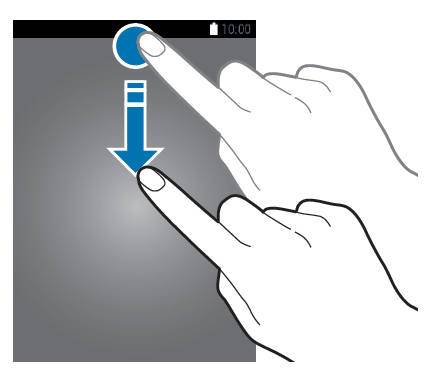
You can swipe down from the status bar to access Galaxy S9 notification panel, as illustrated below.

If the status bar is hidden (e.g., when you are in full-screen mode), you can just swipe down from the top of the screen.

You can access Galaxy S9 notification panel even when the screen is locked. Of course, in Galaxy S9 lock screen settings, you can choose how notifications are shown.

access Galaxy S9 notification panel

In Galaxy S9 and S9+, there is another way to access Galaxy S9 notification panel quickly on Galaxy S9 Home screen.   The feature was named as quick-open notification panel.

You can swipe down on Galaxy S9 Home screen to access Galaxy S9 notification panel. This method, however, is turned off by default. You need to enable it.

In fact, by default, when you swipe up or swipe down in Galaxy S9 Home screen, you will access Galaxy S9 Apps screen.

To use the swipe down gesture for Galaxy S9 notification panel, you need to enable it Galaxy S9 Settings.

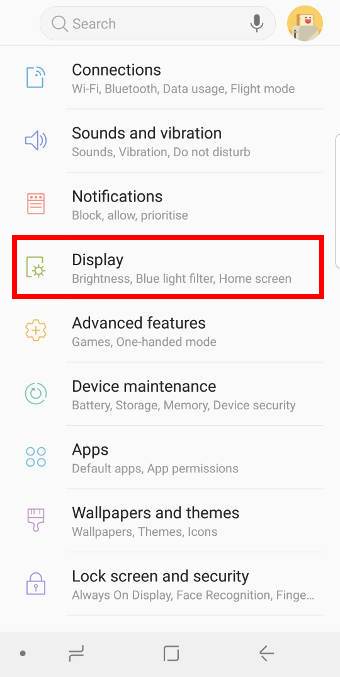
As shown below, in Galaxy S9 settings, tap Display.

quick-open notification panel quick-open notification panel

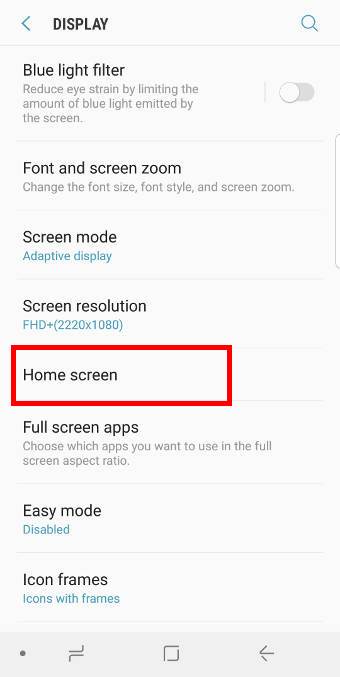
In the Display page, tap Home screen, as shown in the screenshot above.

In Home screen … Read the rest

Filed Under: Galaxy S9 Guides Tagged With: brightness control, dual-SIM, Galaxy S9 apps screen, Galaxy S9 home screen, Galaxy S9 lock screen, Galaxy S9 notification dots, Galaxy S9 notification icon, Galaxy S9 notification number badge, Galaxy S9 notification panel, Galaxy S9 notifications, Galaxy S9 quick settings panel, Galaxy S9 settings, Galaxy S9 SIM card, notification channel, notification snooze, quick setting buttons, SIM card manager

Meaning of Galaxy S9 status icons and notification icons in Samsung Galaxy S9 and S9+

simon · 81 Comments

Understanding the meaning of Galaxy S9 status icons and notification icons in Samsung Galaxy S9 and S9+ will help you to use the phone efficiently.

You can get quick system info and new notifications by checking Galaxy S9 status icons and notification icons in the status bar.

This Galaxy S9 guide explains the differences between Galaxy S9 status icons and notification icons, and the meaning of these icons in the status bar in Galaxy S9 and S9+.

What is the difference between Galaxy S9 status icons and notification icons?

Android uses the top of the screen as the status bar, where Galaxy S9 status icons and notification icons are shown.  It applies to Galaxy S9 Home screen, lock screen and all apps.

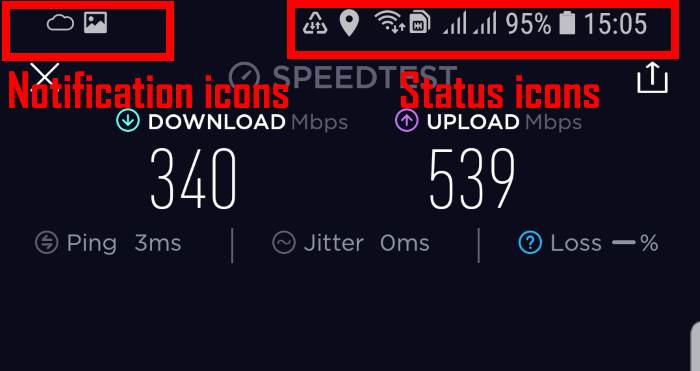
The following screenshot is an example of the Galaxy S9 status bar with notification icons on the left and status icons on the right.  When you use Galaxy S9 home screen landscape mode or any apps in landscape mode, the status bar is also in the top of the screen.

Galaxy S9 status bar with notification icons on the left and status icons on the right

Galaxy S9 status icons and notification icons give you quick info about the system status (e.g., mobile network signal strength) and notifications from apps or the system.

When an app is in the immersive full-screen mode, the status bar will be hidden temporally. In this case, you can swipe down from the top of the screen to bring up Galaxy S9 status bar (and Galaxy S9 navigation bar as well)

The differences between Galaxy S9 status icons and notification icons include:

  • Galaxy S9 status icons are always related to the system; while Galaxy S9 notification icons are always linked to specific apps (including a few system apps and third-party apps).
  • Galaxy S9 status icons are normally shown on the right side of the status bar; while Galaxy S9 notification icons always appear on the left side of the status bar.
  • Galaxy S9 status icons are more or less universal in all regions; while Galaxy S9 notification icons depend on individual apps, whose developers can use whatever they want.

Typically, when you see an icon on the left side of the status bar in Galaxy S9 or S9+, there are usually at least one or more corresponding notifications in Galaxy S9 notification panel.

But if you see a Galaxy S9 status icon, there is seldom a corresponding notification.

Meaning of Galaxy S9 status icons

… Read the rest

Filed Under: Galaxy S9 Guides Tagged With: Android Oreo, Bluetooth, charge Galaxy S9 battery, data saver, do not distrurb, dual messenger, dual-SIM, Galaxy S9 apps screen, Galaxy S9 home screen, Galaxy S9 home screen landscape mode, Galaxy S9 notification icon, Galaxy S9 notification panel, Galaxy S9 SIM card, Galaxy S9 status bar, Galaxy S9 status icon, hotspot, micro SD card, moisture, Multi Window, mute mode, NFC, roaming, separate app sound, SIM card status, smart network switch, sound mode, tethering, USB 3.0, USB Ethernet, USB OTG, USB-C, voLTE, VPN, WiFi sharing

How to use and customize Galaxy S9 lock screen?

The ultimate guide to Galaxy S9 lock screen

simon · 42 Comments

The ultimate guide to Galaxy S9 lock screenGalaxy S9 lock screen not only keeps your data safe but also offers some useful features and information to improve your productivity.

This Galaxy S9 how-to guide shows you how to set up, use and customise the lock screen of Galaxy S9 and S9+.

Please note although Galaxy S9 supports landscape mode in Galaxy S9 Home screen, Galaxy S9 lock screen is always in portrait mode.

What is Galaxy S9 lock screen?

Galaxy S9 lock screen likes a door to Galaxy S9 and S9+. You need this door to protect your data and info saved on the phone.

But Galaxy S9 lock screen is also an information centre for you so that you can get some essential info without unlocking the phone or opening any apps.

The information provided through Galaxy S9 lock screen varies depending on your customisation. By default, you can get at least the following info in Galaxy 9 lock screen:

  • Time and date (clock).
  • Carrier info.
  • Media player controller.
  • Your schedule.
  • Notifications.
  • Next alarm.

In addition, Galaxy S9 lock screen allows you to:

  • Change a few settings (not related to data or privacy) of Galaxy S9 and S9+ through quick setting buttons, for example, turn on/off the blue light filter.
  • Add up to 2 app shortcuts to lock screen.
  • Use Galaxy S9 camera without unlocking the phone.
  • Make emergency calls.

Of course, to protect your data in Galaxy S9 or S9+,  most of the settings can only be changed after you unlock the phone.

How to set up Galaxy S9 lock screen security?

By default, when you set up Galaxy S9 or S9+, it will ask you to set up the lock screen security.

If you skip that step, the default lock screen security, swipe, will be used.

Of course, you can change Galaxy S9 lock screen security at any time.

And you should NOT set Galaxy S9 lock screen security to swipe or none.

If you use either of the options, your data in Galaxy S9 or S9+ are at risk. Anyone, including thieves, can access your phone without restrictions. They can impersonate you.

To change Galaxy S9 lock screen security, you may follow these steps.

Step 1: Access Galaxy S9 Settings

There are a couple of ways to access Galaxy S9 settings, for example

  • Using the Settings app icon in Galaxy S9 Home screen.
  • Using the Settings app icon
… Read the rest

Filed Under: Galaxy S9 Guides Tagged With: Android Oreo, Android Pie, app shortcut, facewidgets, Galaxy S9 always-on display (AOD), Galaxy S9 apps screen, Galaxy S9 home screen, Galaxy S9 home screen landscape mode, Galaxy S9 lock screen, Galaxy S9 notification icon, Galaxy S9 notification panel, Galaxy S9 notifications, Galaxy S9 touch screen gesture, lockdown mode

How to use Galaxy S9 home screen landscape mode?

simon · 8 Comments

Samsung added the Galaxy S9 home screen landscape mode in Galaxy S9 and S9+.

You can change Galaxy S9 home screen to landscape orientation when you hold Galaxy S9 and S9+ horizontally.  Of course, this also applies to Galaxy S9 apps screen (app drawer), which essentially is a special home screen.

This Galaxy S9 guide explains what Galaxy S9 home screen landscape mode is, how to enable and disable Galaxy S9 home screen landscape mode, and how to use Galaxy S9 home screen landscape mode.

Update: in Android Pie update for Galaxy S9 and S9+, you can use the rotation toggle button to quickly change and lock screen orientation, including the home screen.  You may check this guide on using the rotation toggle to change and lock the Galaxy S9 screen orientation.

In addition, you can also lock the layout of Galaxy S9 home screen in Android Pie update as explained in this guide.

What is Galaxy S9 home screen landscape mode?

By default, the home screen (and apps screen) was always in portrait mode on most Android phones even if you hold the phone horizontally, and if you turn on auto-rotate.

So, it is hard to use the home screen in landscape mode, and you may have to hold the phone in portrait orientation to use the home screen and apps screen.

Please do not confuse this limitation in home screen with the auto-rotate.

Most apps including system apps like Settings support landscape mode for a long time. When you turn on auto-rotate, you can use most apps in the landscape orientation.

In Android tablet, since Android Honeycomb 3.0, the home screen landscape mode has been supported.

However, on the phone, the home screen landscape mode is still new.

The larger screen aspect ratio beyond 16:9 in many recent flagship Android phones exacerbates the implementation of landscape mode for the home screen. The screen simply looks too narrow for the icons.

Anyway, Samsung now offers the option to use Galaxy S9 home screen landscape mode in Galaxy S9 and S9+.

This means the Galaxy S9 home screen can automatically rotate to landscape mode when you hold the phone in landscape position.

Undoubtedly, the app icons and widgets in Galaxy S9 home screen will be re-organised in landscape mode. Simple rotation is not enough due to insufficient height in the landscape mode.

In a nutshell, Galaxy … Read the rest

Filed Under: Galaxy S9 Guides, Galaxy S9 New Features Tagged With: Android Pie, auto-rotate, Galaxy S9 apps screen, Galaxy S9 home screen, Galaxy S9 home screen landscape mode, Galaxy S9 layout, Galaxy S9 lock screen, Galaxy S9 multiwindow, Galaxy S9 navigation bar, Galaxy S9 notification panel, Galaxy S9 quick settings panel, Galaxy S9 settings, landscape mode, lock Galaxy S9 home screen layout, Multi Window, navigation gestures, portrait mode, rotation toggle, show photos on Galaxy S9 home screen

6 ways to start Galaxy S9 camera app in Galaxy S9 and S9+

simon · 2 Comments

Galaxy S9 and S9+ feature some significantly new camera features such as the dual-aperture lens, and super slow motion mode. As the first step of trying the new camera in Galaxy S9 and S9+, you need to start Galaxy S9 camera app first.

In addition to tapping the camera app icon, you can have several other ways to start Galaxy S9 camera app in S9 and S9+.

This Galaxy S9 camera guide shows you the six ways to open Galaxy S9 camera app in your Samsung Galaxy S9 and S9+.

#1. Use Galaxy S9 camera quick launch to start Galaxy S9 camera app

The fastest way to launch Galaxy S9 camera app is to use Galaxy S9 camera quick launch feature, which is enabled by default.

You can quickly press the power button twice to start Galaxy S9 camera app immediately.  Samsung named this as Galaxy S9 camera quick launch.

The good thing about Galaxy S9 camera quick launch is that it works at any times: when the screen is on or off, or when you are using any apps, or when the screen is locked or unlocked.

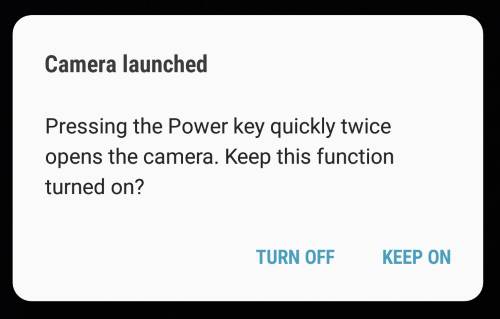
When you use the Galaxy S9 camera quick launch first time, it will remind you of this feature as shown below.

You can then keep it on or turn it off if you want.

If you want, you can enable or disable Galaxy S9 camera quick launch in Galaxy S9 camera settings.

Use Galaxy S9 camera quick launch to start Galaxy S9 camera app

#2. Use camera app shortcut on Galaxy S9 lock screen to start Galaxy S9 camera app.

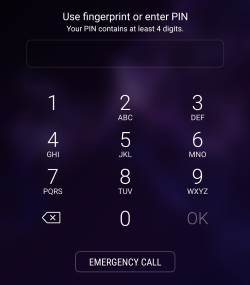
By default, in Galaxy S9 lock screen as shown below, there are two app shortcuts on the left and right sides of the bottom.

One is the phone app for you to make emergency calls without unlocking the phone. And the other is the camera app as shown below.

Of course, you can use other apps to replace them in Settings — Lock screen and security — App shortcuts.

You can tap the camera app icon to open Galaxy S9 camera app without unlocking the screen.

If you launch Galaxy S9 camera app without unlocking the screen, you can only access photos taken in this session. You cannot access any other photos or pictures saved in the phone before the screen was locked.

This is a security feature, not a bug. For example, if someone gets your phone, he/she … Read the rest

Filed Under: Galaxy S9 Camera Guides, Galaxy S9 Guides Tagged With: Bixby, Bixby button, Bixby voice, Galaxy S9 apps screen, Galaxy S9 camera, Galaxy S9 camera app, Galaxy S9 camera quick launch, Galaxy S9 home screen, Galaxy S9 layout, Galaxy S9 lock screen, Google Assistant, power button, voice command

Primary Sidebar

RSS Samsung Galaxy S24 Guides@GGO

  • The definitive guide to One UI 7 (Android 15) update for Galaxy S24, S23, S22, and S21
  • The Definitive Guide to Galaxy AI on Galaxy S24, S23, S22, Fold 6, Fold 5, Flip 6, and Flip 5
  • Use the Light Performance Profile to Extend Battery Life and Reduce Heat on Galaxy S24, S23, S22, and S21 (all Samsung Galaxy Phones with Android 14/One UI 6.0)
  • How to adjust lock screen timeout on Galaxy S24, S23, S22, and other Galaxy devices?
  • How to use Circle to Search on Galaxy S24?

RSS Galaxy S23 Guides

  • Explanation of all One UI 6.1 features for Galaxy S23, S23+, S23 Ultra, and other Galaxy devices
  • How to use One-Tap Editing in the Android 14 (One UI 6) update?
  • How to enable and use Auto Scan to scan documents automatically on Galaxy S23, S22, and S21?
  • New camera features in One UI 6 (Android 14) update for Galaxy S23, S22, and S21
  • Galaxy S23 User Manual in American English with Android 14 (One UI 6) Update

RSS Galaxy S22 Guides

  • A Complete Guide for Android 14 (One UI 6) Update on Samsung Galaxy Devices
  • How to touch and hold to customize Lock Screen on Galaxy S22, S21, and S20 with the Android 13 update?
  • How to use Maintenance Mode on Galaxy S23, S22, S21, and S20 with Android 13 (One UI 5)?
  • How to extract text from photos and images on Galaxy S22, S21, and S20?
  • A complete list of the new features of One UI 5.1 update for Galaxy S22, S21, and S20

RSS Samsung Galaxy S21 Guides

  • Top 12 new features in Android 12 update for Galaxy S21, S20 and S10
  • Android 12 update vs One UI 4.0 vs One UI 4.1: update Galaxy S21, S20 and S10 to Android 12
  • How to set and resize photo size on Samsung Galaxy S21, S20, S10, and S9 without using any third-party apps?
  • How to Customize Galaxy S21 Home Screen?
  • Master Galaxy S21 Lock Screen Settings

RSS Galaxy S20 Guides

  • The End of the Road: No Android 14 Update for the Galaxy S20
  • How to Use Enhanced Processing on Galaxy S20 with Android 11 update?
  • How to access, use, and customise widgets on Galaxy S20 lock screen and AOD screen with Android 11 update for Galaxy S20?
  • How to update Galaxy S20 to Android 11?
  • How to use Galaxy S20 lockdown mode?

RSS Galaxy Note Guides

  • Top 11 disappointments of Galaxy Note 20 and Galaxy Note 20 Ultra
  • How to use the Dynamic Lock screen on Galaxy Note 10?
  • Galaxy Note 10 LED View Cover Guide and Review
  • Install S Note app and Extension pack on Galaxy Note 10

RSS Drive In Singapore

  • Singapore ERP (Electronic Road Pricing): 6 Facts You Need to Know
  • Car Insurance in Singapore Explained
  • Top 5 rules of driving in Singapore safely and legally during COVID-19 Circuit Breaker period
  • Understand COE Price by 10 Simple Questions
  • How to convert a foreign driving license to a Singapore driving license?

RSS Moto G Guides

  • Stylus features on Moto G Stylus (all models)
  • What’s new in Moto G 2024? Moto G 5G 2024 vs Moto G Power 2024 vs Moto G Play 2024
  • Understand Moto G Model Names
  • Thank You

RSS Galaxy S10 Guides

  • End of security update for Galaxy S10, S10+ and S10e
  • Top 10 new features in Android 10 update for Galaxy S10
  • Top 5 new features added in Galaxy S10 September Update
  • How to move apps to the micro SD card to free phone storage on Galaxy S10 ?

RSS Chromecast Guides

  • How to enable developer options in Chromecast with Google TV and Google TV Streamer?
  • Meaning of LED light on voice remote for Chromecast with Google TV and Google TV Streamer
  • What’s new in Chromecast 2018 (3rd gen of Chromecast)?
  • How to use VLC media player on PC to stream music and video to Chromecast and Chromecast Audio?

RSS Headphone Guide Pro

  • Bone Conduction Audio Technology: A Technical Breakdown
  • Science And Architecture of Bluetooth Auracast
  • Bluetooth LE Audio and the LC3 Codec: A Technical Deep Dive
  • The Physics and Engineering of Super Wide Band (SWB) Voice
  • True Wireless Stereo (TWS) Explained

© 2015–2026 · GadgetGuideOnline.com is an online community for Gadget Owners! · Hosted by PTRHosting
· Powered by Genesis framework for WordPress

Samsung Galaxy S9 how-to guides, user manuals and tutorials! Everything about Samsung Galaxy S9 and Galaxy S9+.
Disclaimer: Samsung, Galaxy, Galaxy S9, and Galaxy S9+ are trademarks of Samsung. Android is a trademark of Google. This website is NOT affiliated with Samsung or Google in any way. All the information provided on this website is provided on an "as is" and "as available" basis and you agree that you use such information entirely at your own risk.